

The Helpful Blog

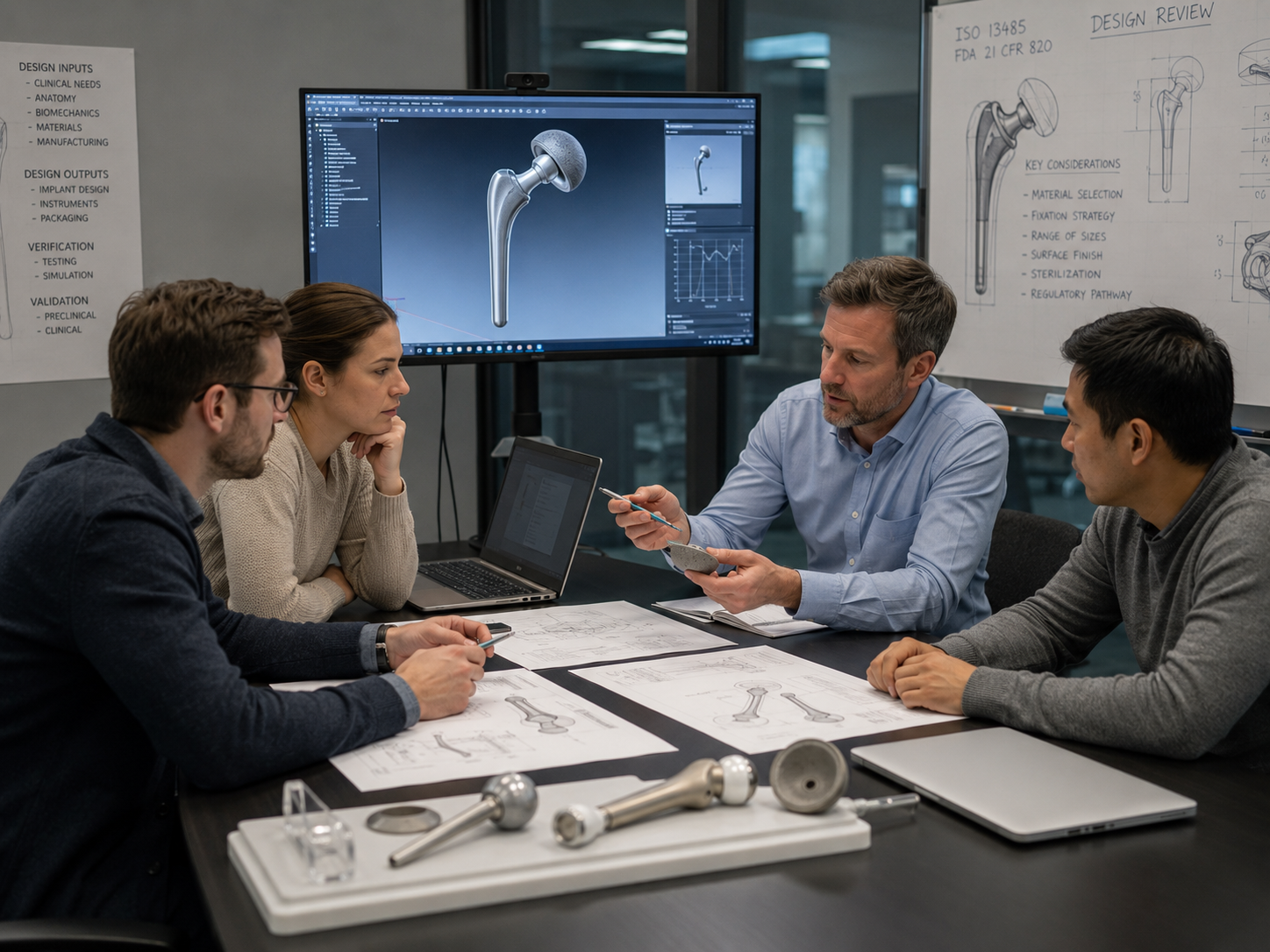
Engineering, Design Controls & Validation: Building the Evidence for Clearance
Learn how disciplined design controls, Design History File development, test-method evaluation, V&V planning, and ISO 14971 risk management can reduce medical-device development risk and support a more efficient path to regulatory clearance.
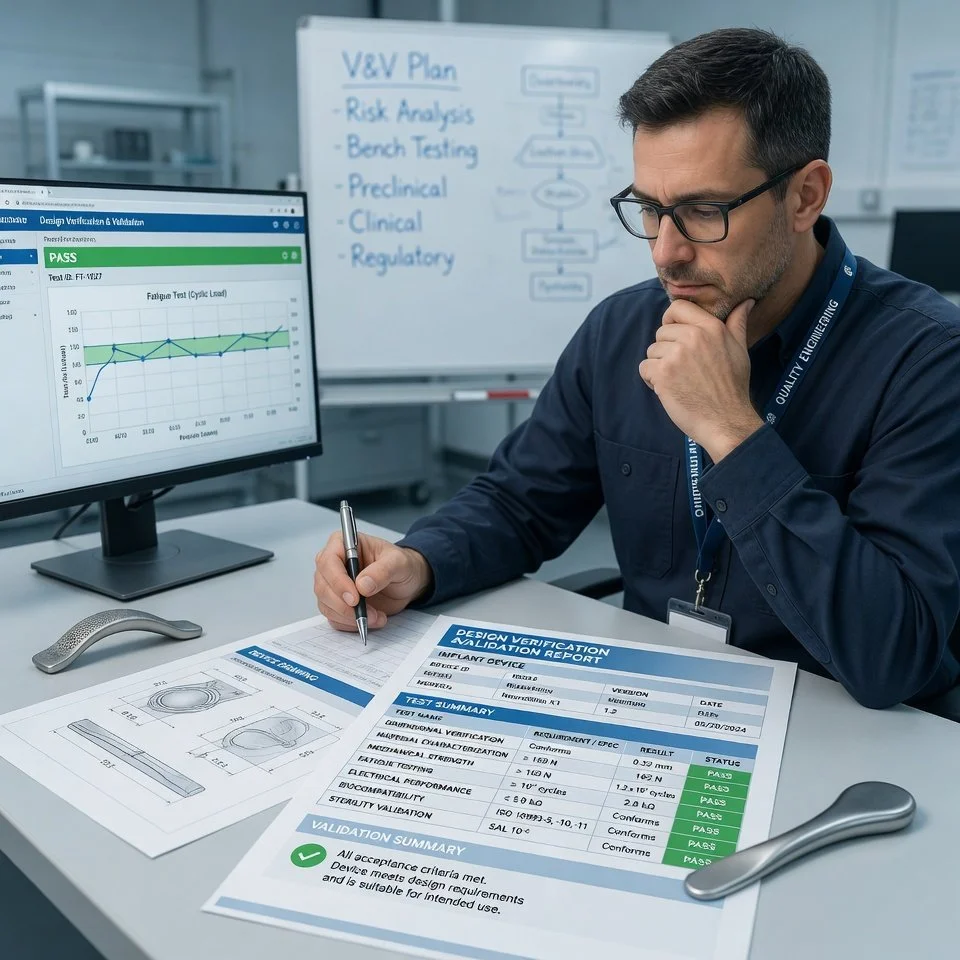
FDA 510(k) Readiness: What Spine Device Companies Get Wrong
Many spine-device 510(k) submissions are delayed by problems that begin long before the application reaches FDA. Learn the most common readiness gaps—and how to address them before submission.
eSTAR 510(k) Submissions: A Practical Walkthrough
Learn how FDA’s eSTAR template works, what information it requires, how to organize your 510(k) submission package, and which common mistakes can delay technical screening and substantive review.
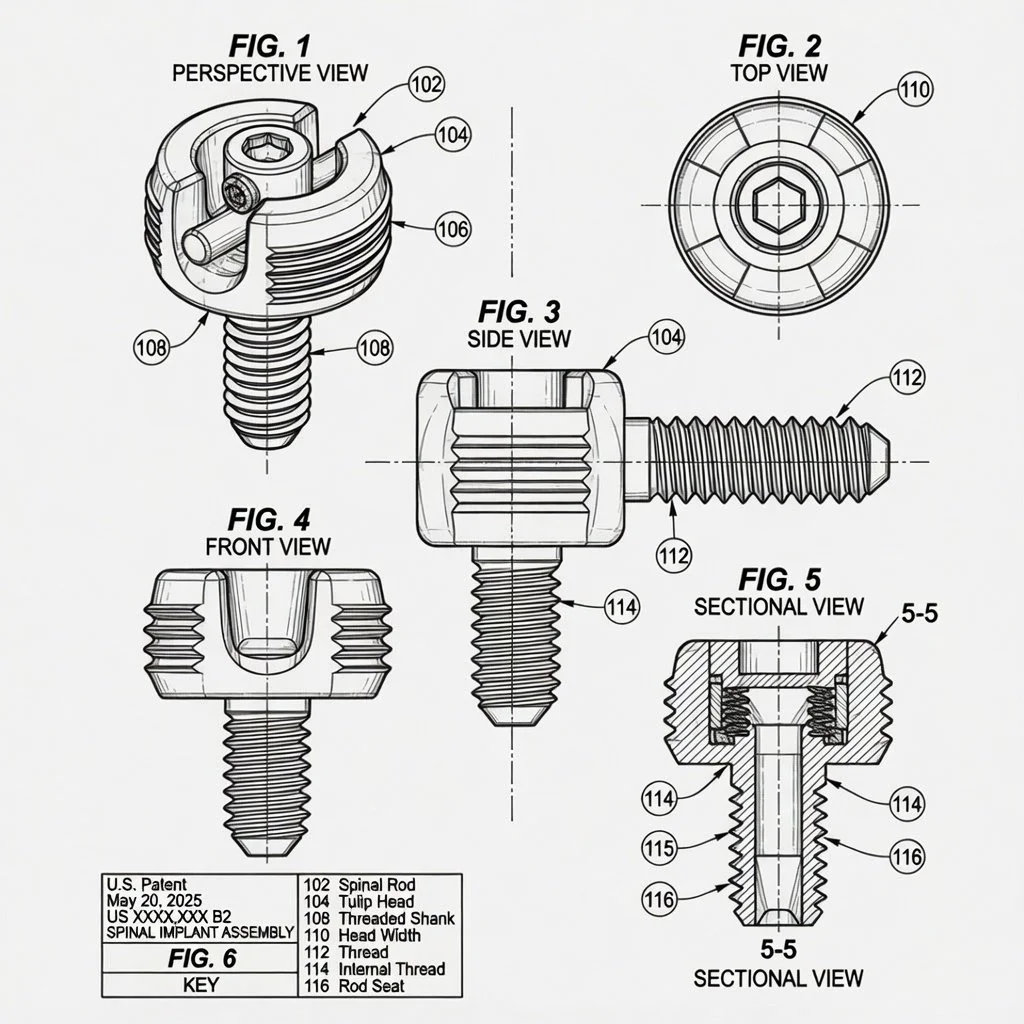
Building a Defensible Patent Portfolio for Orthopedic Implants
Learn how orthopedic-device companies can connect patent landscape analysis, provisional applications, product development, and long-term portfolio strategy to build meaningful competitive protection.

How Texas Bioventures Can Strengthen the Funding Due-Diligence Process
Texas Bioventures helps medical-device companies prepare for investor due diligence by evaluating regulatory, quality, engineering, intellectual-property, manufacturing, operational, and commercialization readiness.
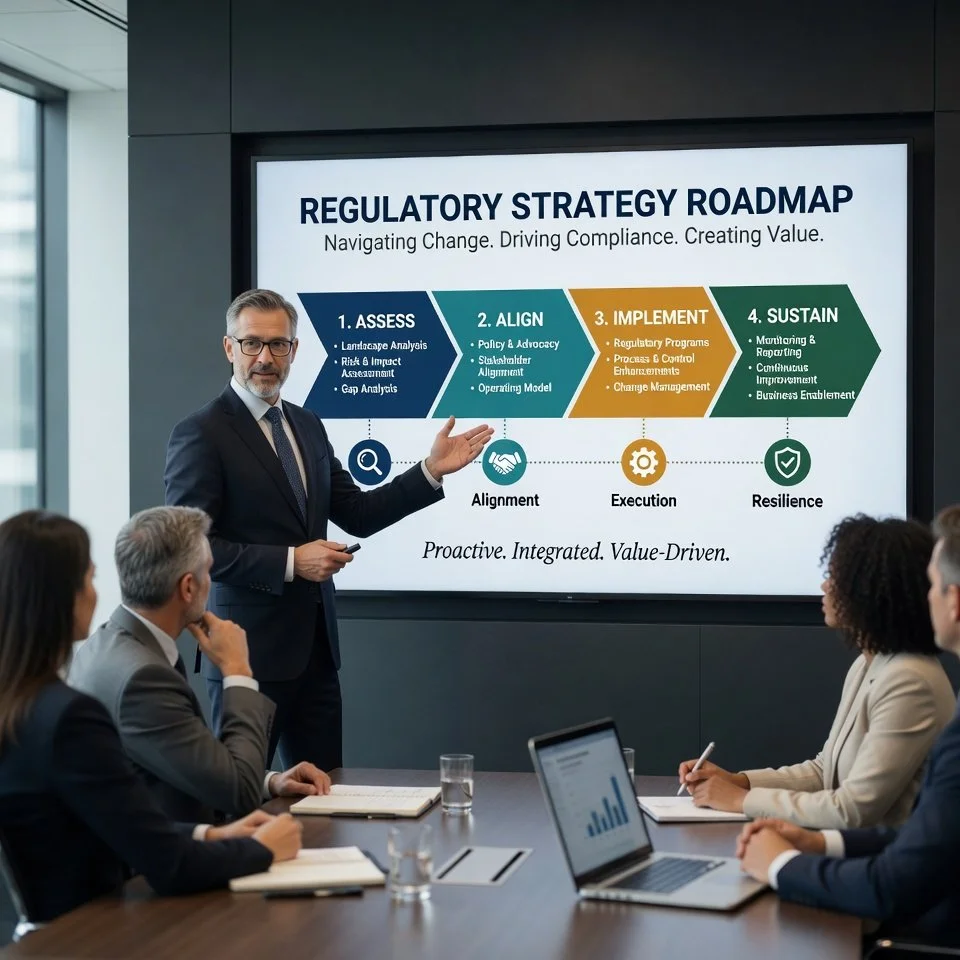
When to Bring in an Interim VP of Regulatory Affairs
Learn the signs that a medical-device company needs an Interim VP of Regulatory Affairs and how project-based executive leadership can reduce risk, accelerate submissions, and prepare the organization for its next stage.
ISO 13485 vs. MDSAP: Which Quality System Do You Actually Need?
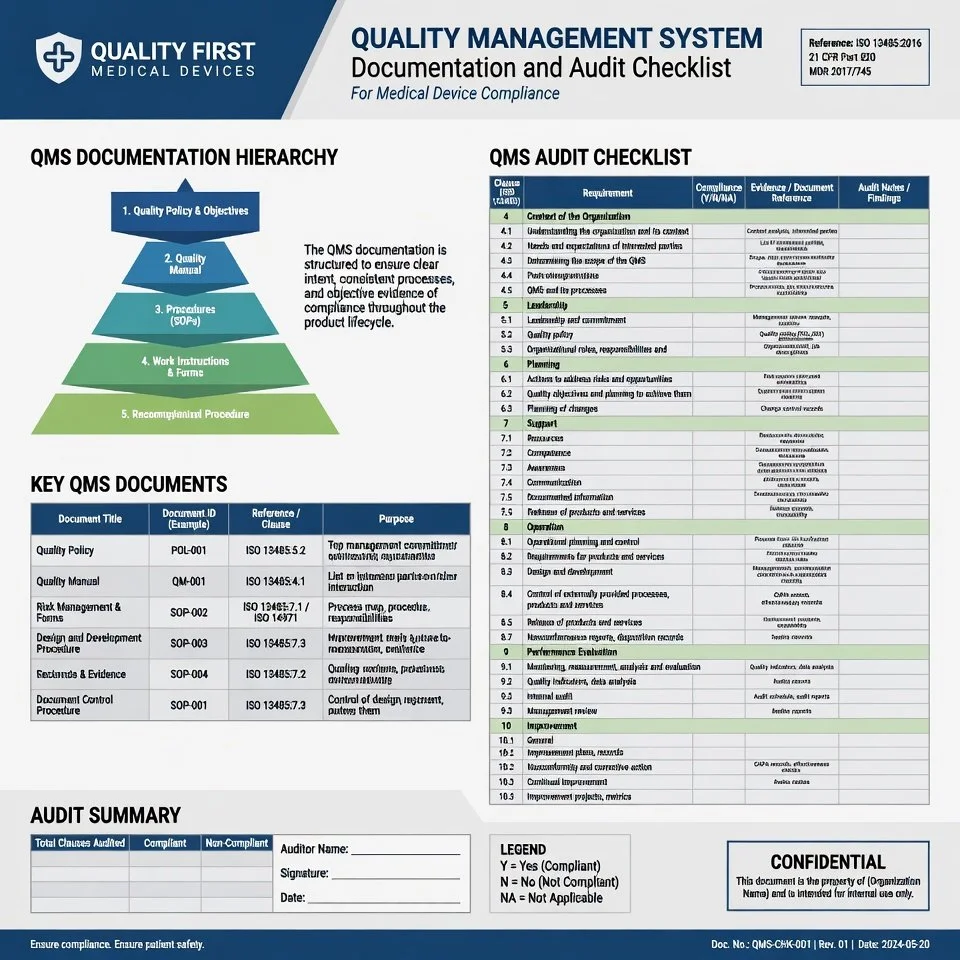
ISO 13485 and MDSAP are often treated as competing quality-system options. Learn what each one does, how market requirements differ, and which path is right for your medical-device company.

Setting Up an eQMS: A Founder’s Checklist
Learn what medical-device founders should evaluate before selecting and implementing an electronic quality management system, from regulatory requirements and validation to workflows, integrations, data ownership, and long-term scalability.